





There’s no denying it—AI is everywhere. Whether it’s writing, image generation, or voice cloning, artificial intelligence tools are evolving fast. But instead of viewing them as a threat to creativity, we see them as a partner in reimagining how we work.
Recently, we joined a fun trend that’s been circulating across social media: transforming staff headshots into stylized portraits inspired by Studio Ghibli

It started as a lighthearted experiment—but quickly opened the door to a bigger conversation: how can we use AI to enhance what we do, not replace it?
From Hours to Minutes: The Speed of AI

What once took an illustrator or designer hours to create can now be generated in minutes. AI tools like image generators, content creators, and voice models are helping us visualize concepts faster and kickstart creative ideas without starting from a blank page.
But let’s be clear: this isn’t about cutting corners.
No tool can replace human intuition, storytelling, or that spark of originality. AI works best when paired with a human touch—someone who can direct it, refine it, and ensure the end result is meaningful.
Real Ways We’re Using AI in Our Work
Beyond fun portraits, we’re finding practical ways to integrate AI into our everyday creative workflow:
Upscaling low-res images to make them usable for print or digital campaigns

Animating historical or static photos to create more engaging content
Photo editing, cleanup, and background extension to save time in production
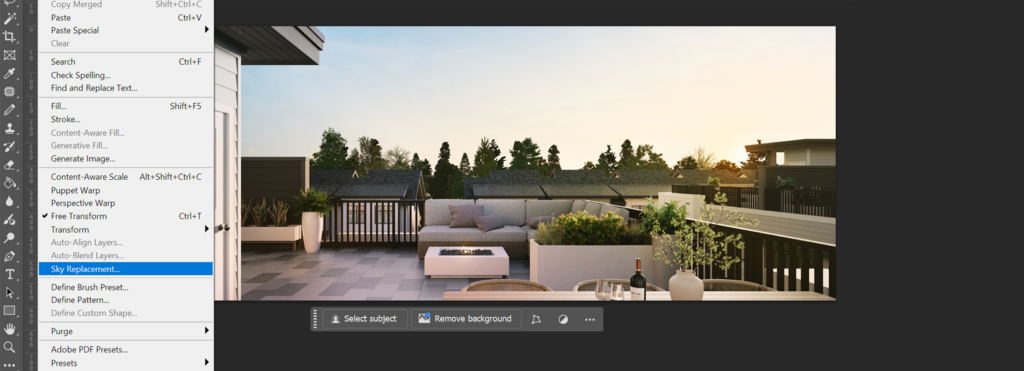
Speeding up copywriting for social media, email, and internal docs
Voice cloning or video dubbing for rapid content localization
In all of these cases, we’re still behind the wheel—AI is just helping us drive a little faster (and sometimes giving us new directions to explore).
Where AI Falls Short
Despite its capabilities, AI isn’t a magic button.
It struggles with fine details, like realistic hands or clean typography.
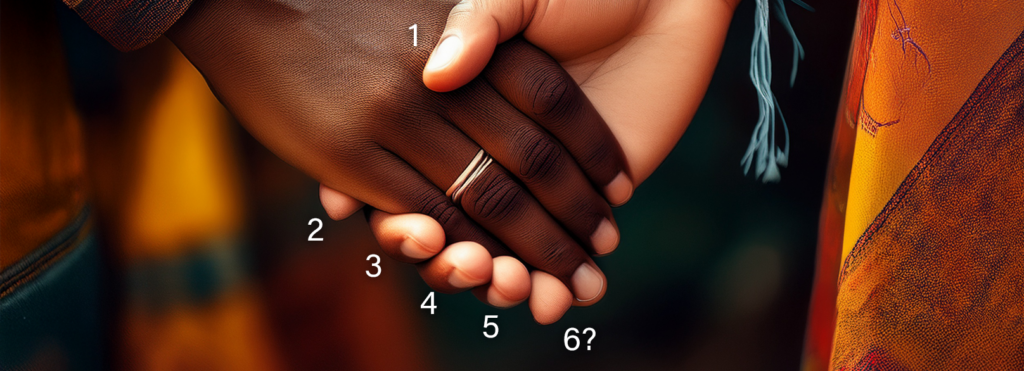
It lacks true understanding of context, so outputs can be inconsistent. It can be difficult to control stylistically—especially when aiming to stay on-brand or match a unique look. And there are still ethical concerns, from data sourcing to potential bias in outputs.
These are important reminders that while AI can assist, it still needs human oversight, editing, and ethical decision-making to truly add value.
A Human-AI Partnership
We see AI as a powerful extension of our creative process—not a shortcut, and definitely not a replacement. Used thoughtfully, it helps us move faster, experiment more, and push creative boundaries. But it’s our ideas, experience, and instincts that guide it.
And in case you’re wondering—this blog post was written with the help of AI. But it was outlined, edited, curated, and carefully guided by a human—just like everything else we create.
Curious how AI could support your next project or campaign? Let’s chat. We’re happy to share what we’ve learned—and maybe even Ghibli-fy your team too.